Comparativo
Fotografia clínica reproduzível em 2026
As clínicas escolhem entre sistemas de captura fixos e a fotografia flexível no smartphone. O que importa é a confiabilidade da comparação das fotos ao longo do tempo, entre profissionais e entre unidades.
O que significa fotografia reproduzível?
Mesma iluminação. Mesma distância. Mesmo ângulo. Mesmo enquadramento. Quanto mais constantes essas quatro condições se mantêm entre retornos, profissionais e unidades, mais confiável é a comparação de antes e depois: a diferença mostra o tratamento, não a captura.
O cenário atual
Como as clínicas tentam obter fotos reproduzíveis hoje
Três abordagens predominam, e cada uma implica equipamento caro, muito trabalho manual ou fotos sem padrão.
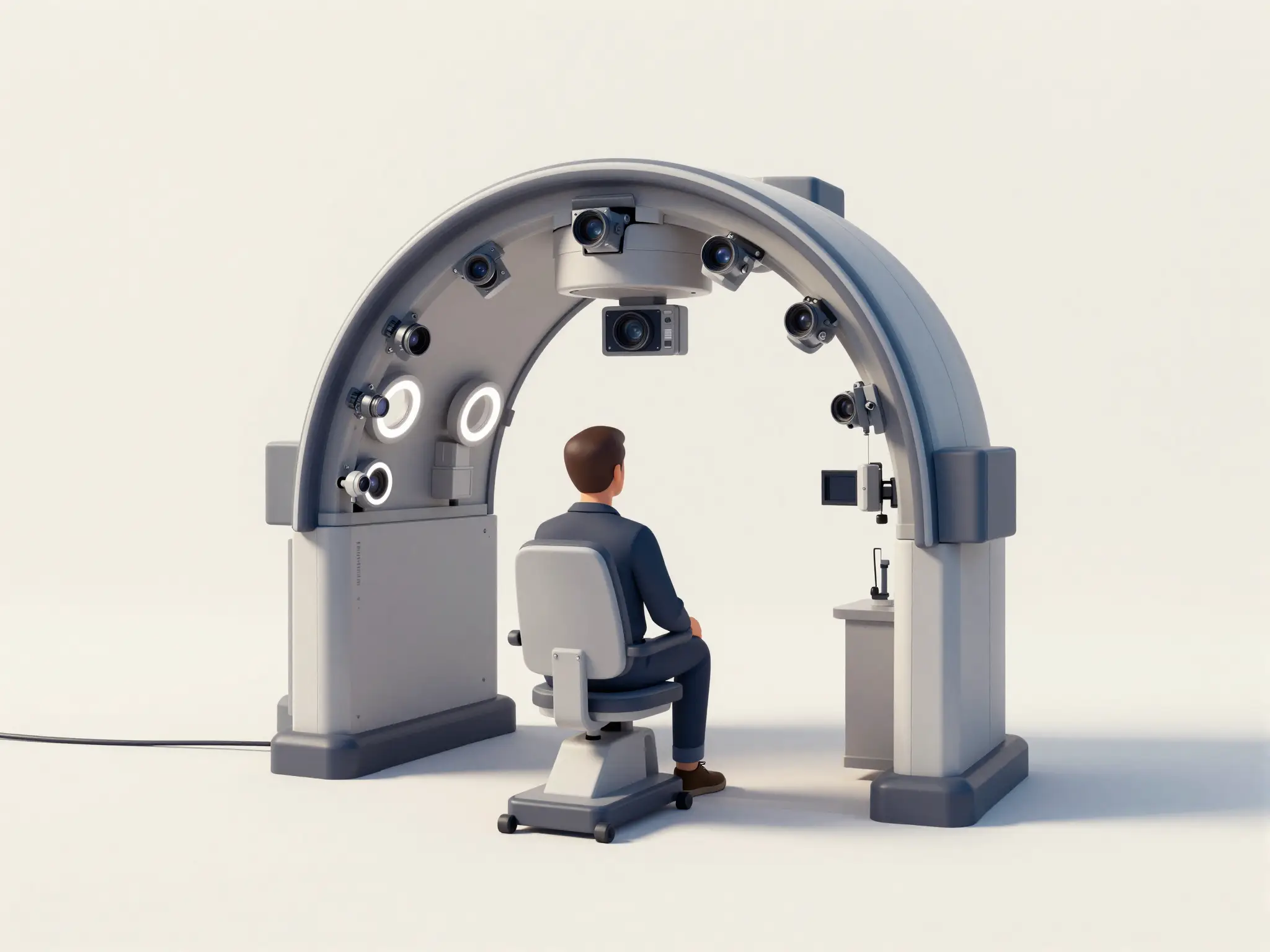 01Baseado em equipamento
Sistemas de câmeras 3D dedicados
Câmeras 3D e iluminação dedicadas definem as variáveis. Reproduzível, mas cada sistema é uma compra de hardware à parte (Canfield, QuantifiCare).
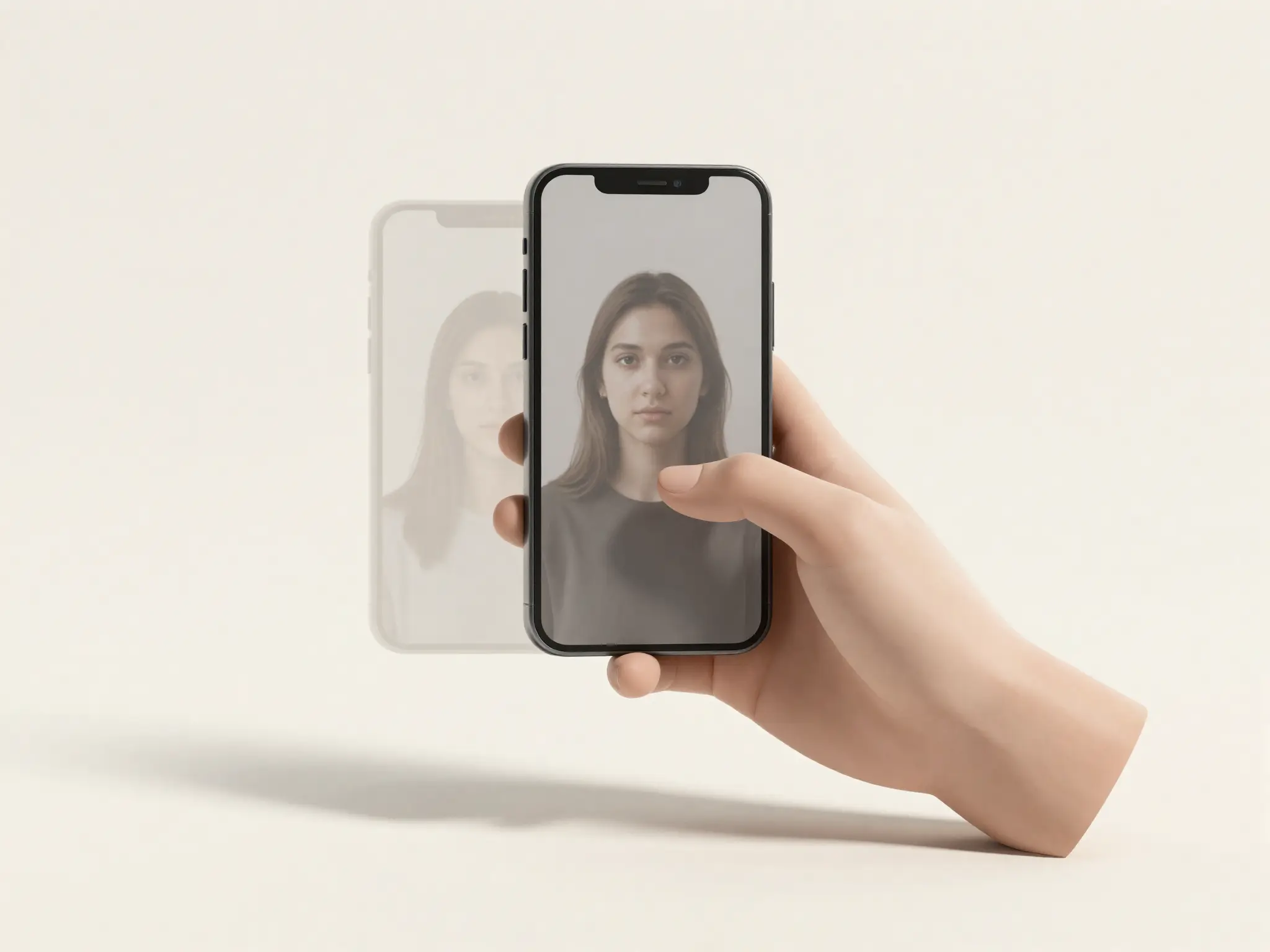 02Sobreposição fantasma
Alinhamento manual de fotos
A equipe enquadra cada nova foto sobre uma cópia esmaecida da anterior (RxPhoto, PhotoDoc).
 03Sem padronização
Uploads de imagens sem controle
Fotos de celular ou câmera enviadas sem controle de iluminação, distância, ângulo ou enquadramento. Práticas, mas não comparáveis (galeria do celular, exportações de DSLR).
Vai conduzir um estudo de produto em vários centros? Fotografia padronizada para pesquisa de produtos
Por que a evooia
O que torna a evooia diferente
Captura reproduzível no iPhone ou iPad, sem hardware de imagem dedicado.
SERALIQ™ Imaging Standard da evooia
O SERALIQ™ define o padrão de captura. O AlignedCapture™ ajuda a repetir iluminação, distância, ângulo e enquadramento em cada foto de retorno.
Conhecer o padrão SERALIQ™- Configuração:
- Dispositivo, lente e ajustes de captura não mudam.
- Alinhamento:
- Altura e ângulo da câmera seguem a foto inicial.
- Posicionamento:
- Poses padrão a uma distância constante.
- Iluminação homogênea:
- Luz e exposição constantes.
- Integridade da imagem:
- Os originais permanecem inalterados, sem embelezamento.
- Reprodutibilidade:
- Cada foto de retorno repete as condições iniciais dentro de tolerâncias definidas.
O comparativo em resumo
Seis ferramentas, os mesmos critérios
evooia: do rosto inteiro a uma única cicatriz, com um iPhone ou iPad. Sistemas especializados acrescentam medição e simulação 3D.
Comparar a evooia com
Baseado nos materiais publicados por cada fornecedor. Os dados mudam, então confirme com o fornecedor. Última atualização: outubro de 2026.
Trocando de ferramenta
As fotos dos seus pacientes vão com você
Importamos sua biblioteca de fotos, seja do PhotoDoc, da Canfield, do RxPhoto ou da galeria do celular, e a processamos com o alinhamento automático da evooia.
Fotos mapeáveis
Entram na linha do tempo do paciente, prontas para comparar com novas fotos de retorno.
Fotos não mapeáveis
Ficam guardadas com segurança como imagens de referência, sem que nenhum histórico se perca.
Frente a frente
Compare a evooia diretamente com cada ferramenta
evooia vs RxPhoto
Padrão SERALIQ™ e alinhamento automático com AlignedCapture™ contra sobreposição fantasma manual. A comparação mais próxima entre duas ferramentas de smartphone.
Ler o comparativoevooia vs Canfield VECTRA
Reprodutibilidade 2D no smartphone contra câmeras 3D dedicadas ao planejamento cirúrgico, com um plano Canfield Care opcional.
Ler o comparativoComo escolher em três perguntas
1. Você precisa de 3D?
O 3D faz sentido para medir volume e simular resultados. Para documentar o antes e depois de forma reproduzível, o 2D costuma bastar.
2. Onde está o seu gargalo?
Fotos inconsistentes: uma captura padronizada. Simulação: um sistema 3D. Agenda e faturamento: um software de gestão para clínicas.
3. O que você quer fotografar e com quantos equipamentos?
Rosto, corpo ou áreas específicas, como cicatrizes? Quanto mais áreas, salas e unidades você quiser cobrir, mais importante é ter um equipamento de captura flexível.
Perguntas sobre o comparativo
Perguntas frequentes
Respostas curtas para comparar as ferramentas.
Qual é o melhor aplicativo de fotografia clínica de antes e depois em 2026?
Não existe um app que seja o melhor em todos os casos. A evooia foi feita para a captura reproduzível no iPhone ou iPad. O RxPhoto atende clínicas dos EUA que já usam o PatientNow, e o Canfield VECTRA, o planejamento cirúrgico que exige 3D.
Existe uma alternativa no smartphone ao Canfield VECTRA?
Para documentação 2D reproduzível, sim. A evooia funciona no iPhone ou iPad, sem precisar comprar uma câmera 3D dedicada. Para medição 3D e simulação cirúrgica, um celular não é substituto.
Posso trazer para a evooia as fotos que já tenho no PhotoDoc, na Canfield ou em outra ferramenta?
Sim. Importamos suas imagens existentes e as processamos com o alinhamento automático da evooia. As fotos mapeáveis entram na linha do tempo do paciente para comparação lado a lado com novas fotos de retorno. As demais ficam guardadas com segurança como imagens de referência, sem que nenhum histórico se perca.
Quer ver ao vivo como a evooia se encaixa na sua clínica?
Uma demonstração ao vivo adaptada ao jeito como sua clínica fotografa hoje.