Knowledge & Insights
Insights on medical photography, patient experience, and aesthetic practice management.
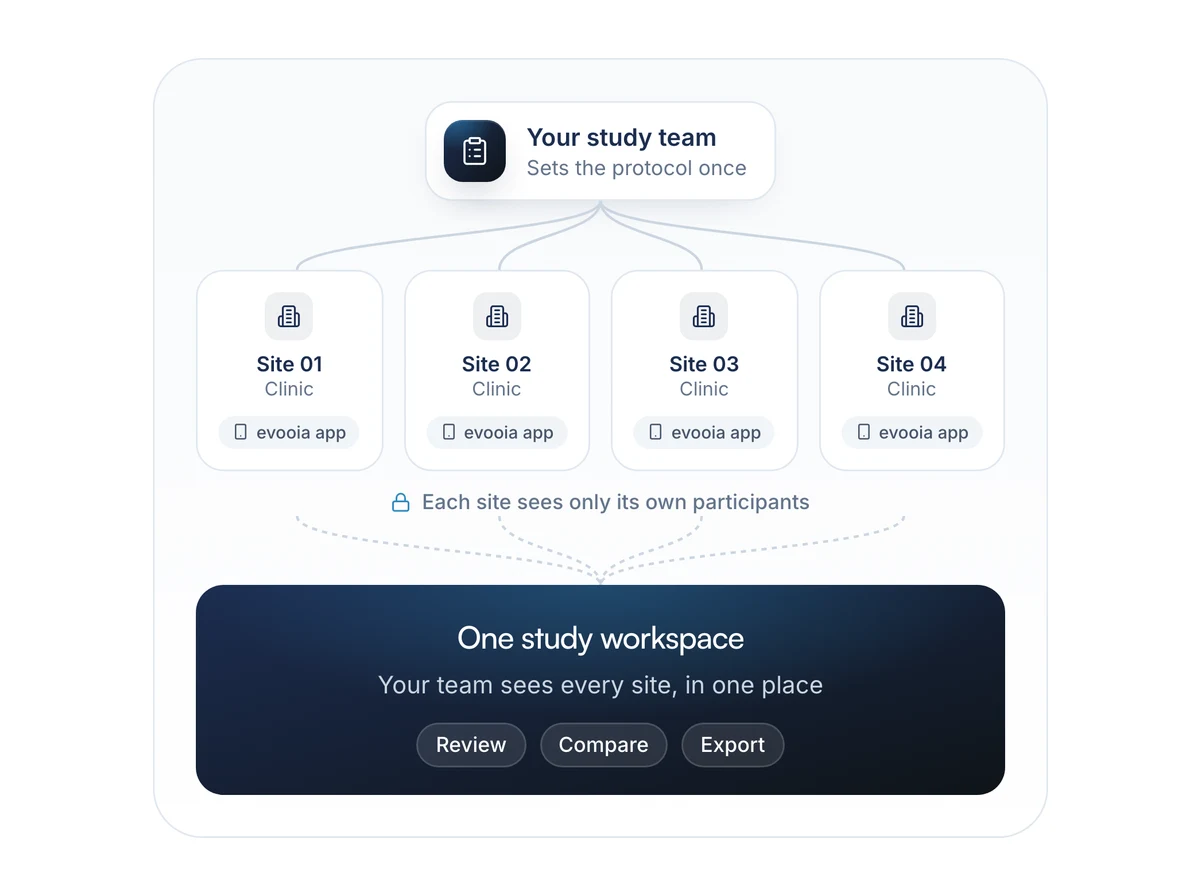
Every site has to keep each participant's baseline and follow-ups consistent, often for months and with changing staff. This checklist covers what a study photography protocol has to fix before the first participant is enrolled.
Non-comparable photos are not usually the result of carelessness. They are the predictable outcome of a capture process that has no built-in mechanism for consistency.
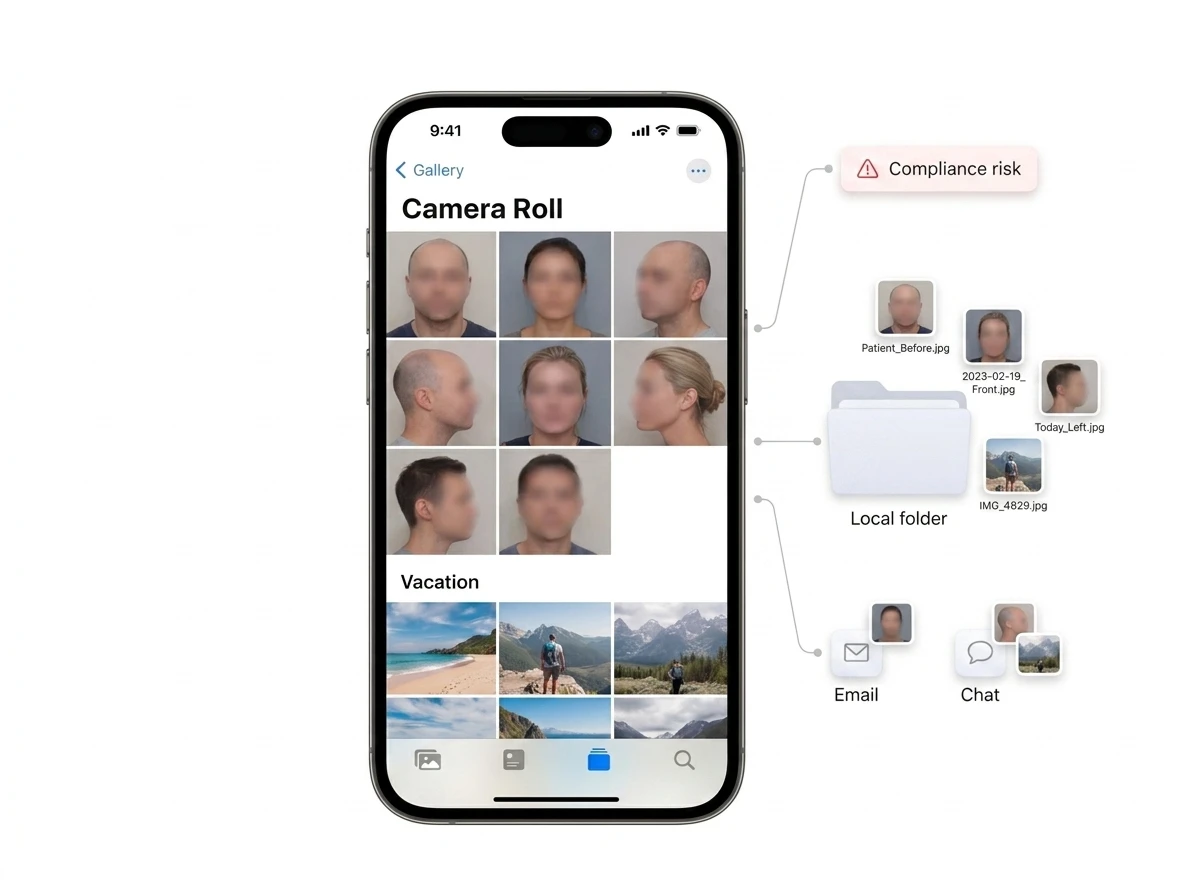
Poor image handling is not just a privacy risk. It is, first and foremost, a documentation problem. Documentation gaps become GDPR exposure when clinics can no longer control, justify, retrieve, or properly govern patient images.
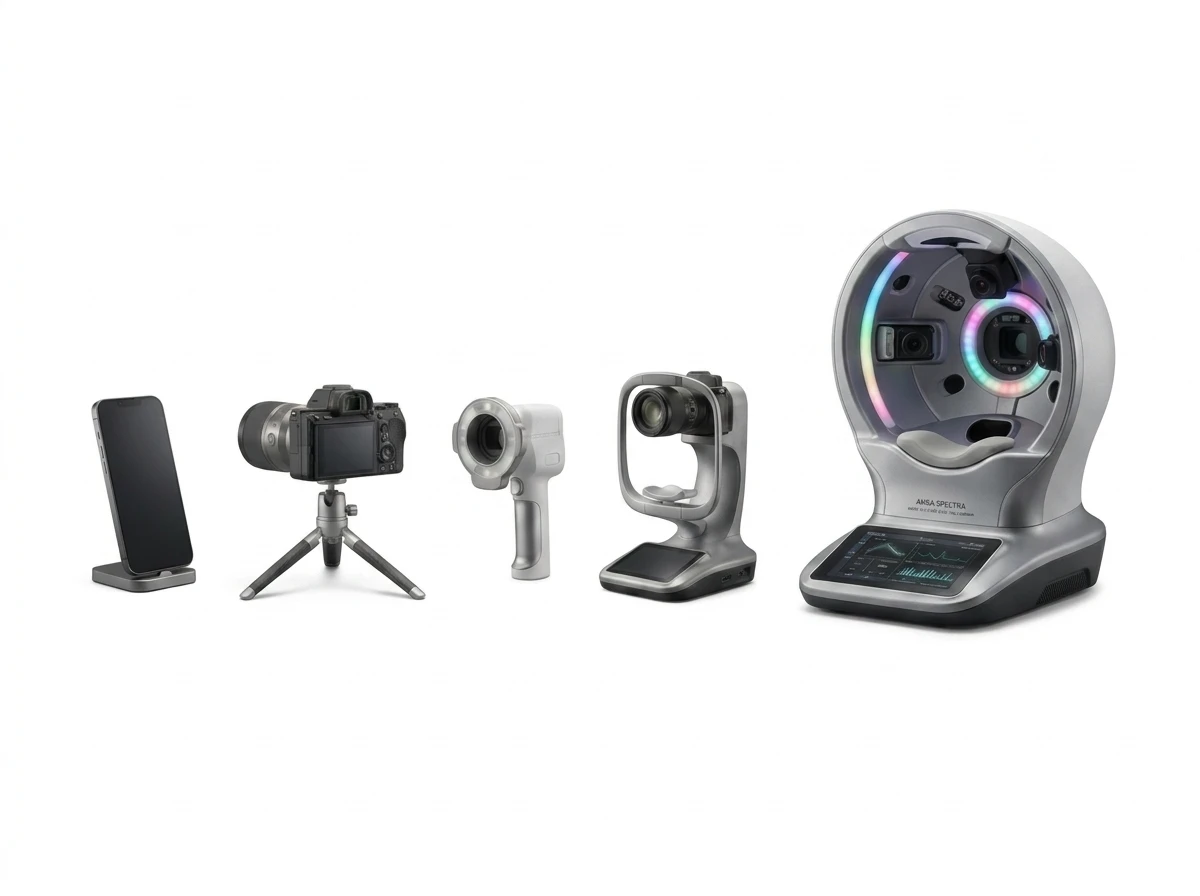
Most clinics invest in a better camera or a cleaner storage system. Six months later, the photos still cannot be compared across visits. The camera was not the problem.
evooia and RxPhoto are the two most direct competitors in smartphone-based clinical before-and-after imaging. The decisive difference is how each one delivers reproducibility.
evooia and Canfield VECTRA look like they compete, but they answer different questions. One solves 2D reproducibility on a smartphone. The other solves 3D surgical planning.
evooia and QuantifiCare LifeViz operate in different categories. One is a smartphone reproducibility tool. The other is a 3D skin imaging system.
evooia and Pabau look similar on the surface, but they solve fundamentally different problems. One is a specialist imaging tool. The other is a full clinic management platform.
evooia and TouchMD are sometimes grouped together because both touch the photo workflow, but they target different parts of the patient journey.
evooia and PhotoDoc are both smartphone-native, no-hardware tools, but they optimise for different things. One is built around reproducibility. The other around photo volume and analysis.
evooia and Treatment Pad are the closest in approach. Both use computer vision to align captures automatically. The differences are in framework, record-keeping, and remote capture.
evooia and Nextmotion both capture before-and-after photos, but one is a focused reproducibility tool and the other is a platform for running the whole clinic.
evooia and Crisalix both work from photos, but one documents what actually happened and the other simulates what could happen. They answer different questions at different points in the patient journey.