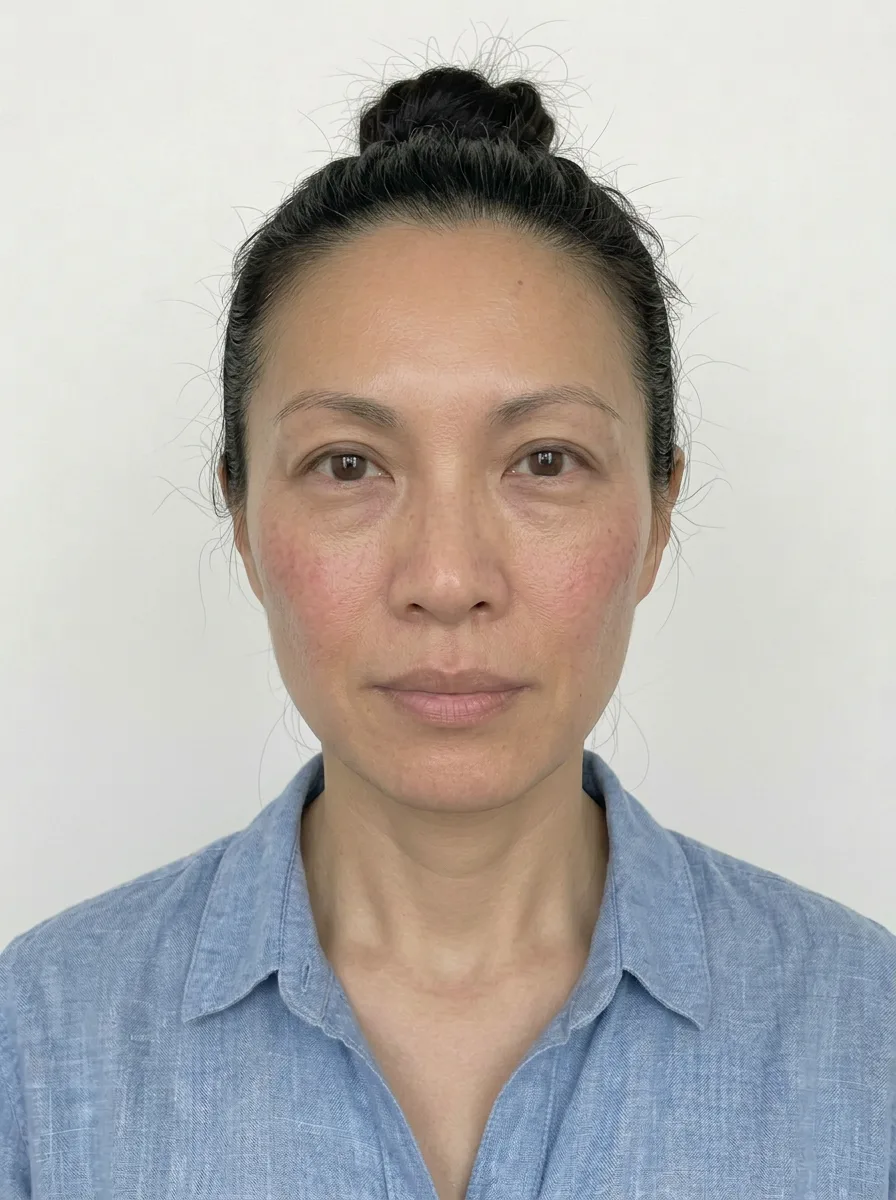
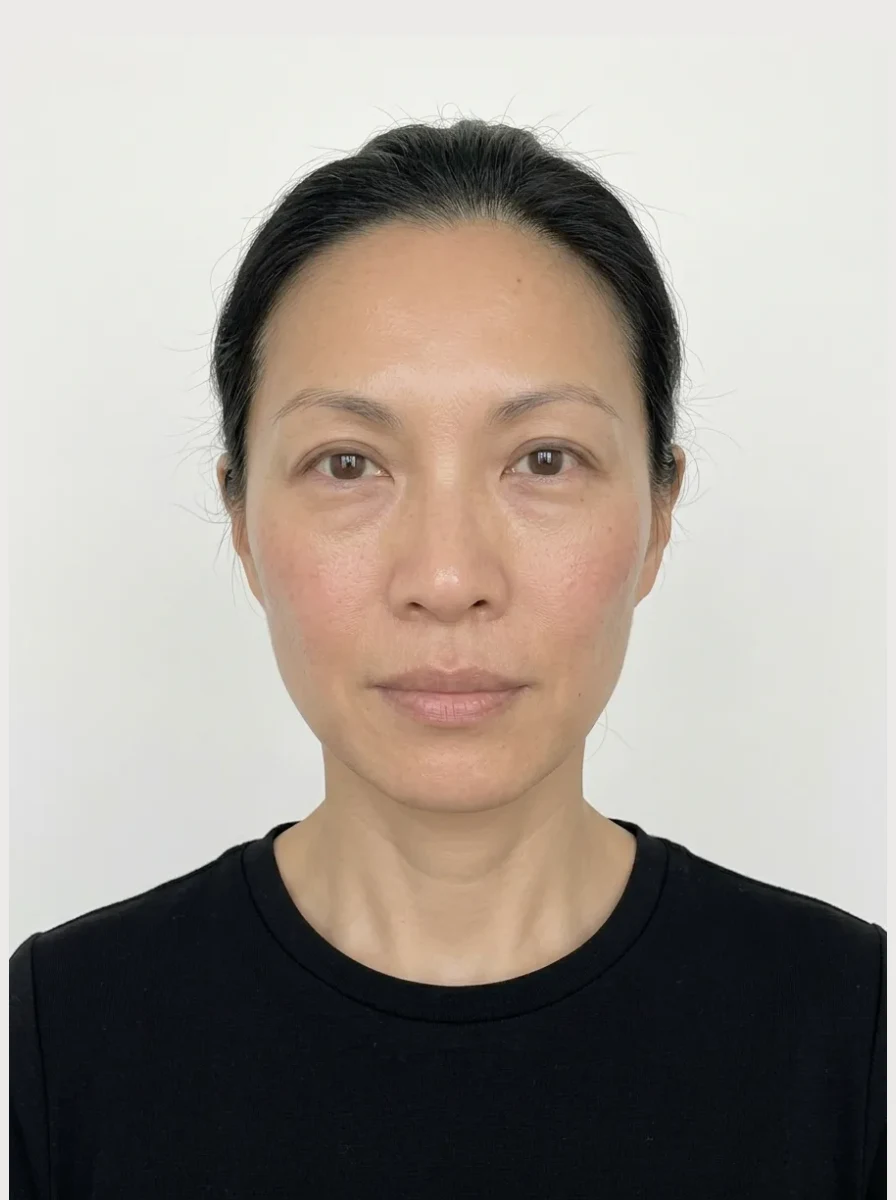
A clinician photographs a patient's face with guided capture on iPhone

The same photo standard on every ward, at every location.

The same guided views at every site, aligned with the first photo.

Ten minutes becomes under two.

The same standardised photo series, timed from start to finish.

A nurse carries a professional camera with a ring flash down a hospital corridorConventional photography

Up to 10 min per photo series

Get the camera ready or walk the patient to the photo room

Check the settings, retake photos

File the photos by hand and line them up to compare
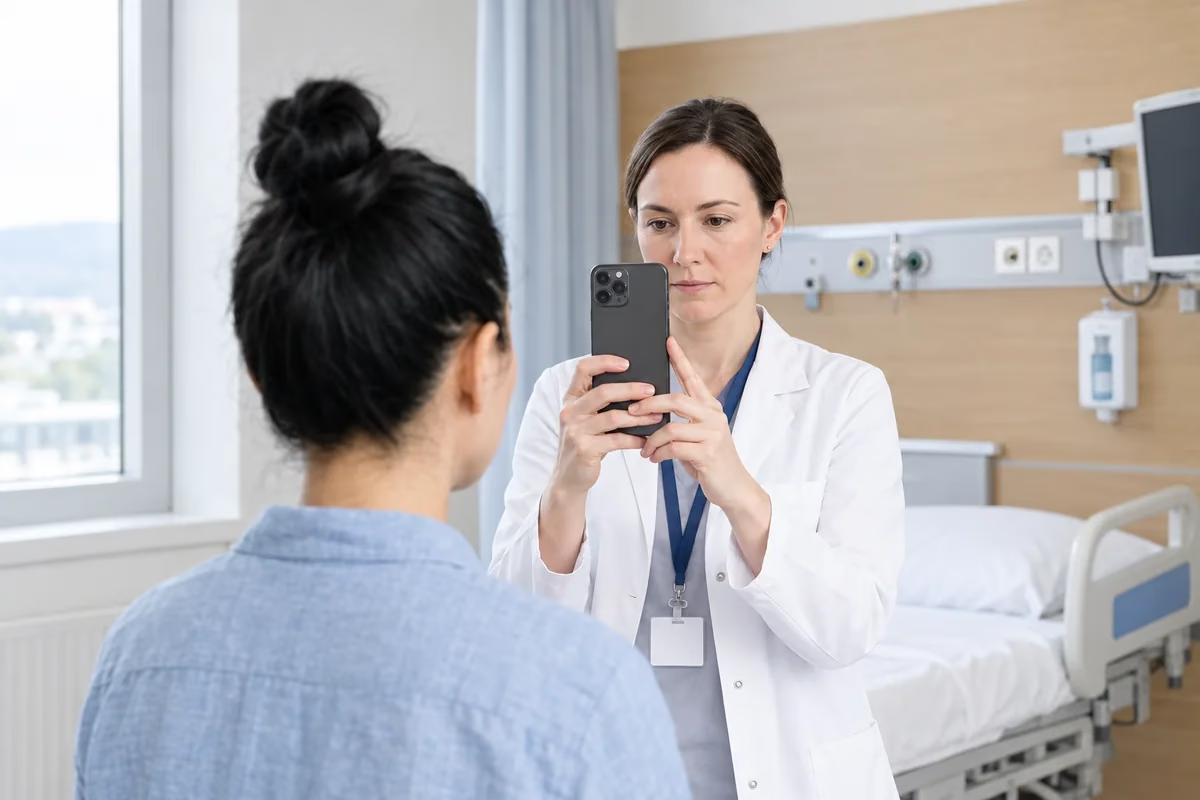
A nurse takes a guided photo of a patient's forearm at the bedsideWith evooia

Under 2 min per guided photo series

Photograph anywhere: directly with iPhone or iPad

Consistent photos: whoever takes them

Secure data storage: in Switzerland or on your own servers

One imaging system. Scalable across every department.

Start in one department and extend evooia across the whole hospital. You pay per capture device, not per user. Add or remove devices at any time, as your needs change.

  • Billed per device

    However many staff take photos on a device, the price stays the same.

  • One timeline per patient

    A follow-up at one location is guided against the baseline from another and lands on the same timeline.

  • Scale up and down

    Fewer devices, lower cost. Images and timelines stay in evooia.

10 devices

evooiaOne platform
  • Location A

  • Location B

  • Location C

  • Location D

Billed per device, not per user.

One capture standard. For your whole team.

With evooia, flexible capture protocols set one consistent standard. Whoever takes the photo, wherever it is taken. AlignedCapture™ guides every team member through the same views and supports comparable results.

  1. Set the capture protocol once

    The views a treatment needs, stored with the patient.

  2. Capture guided and standardised

    Distance, angle and framing line up with the baseline.

  3. Compare follow-up photos in one place

    Both photos sit side by side for the treating team.

Integrates with Epic. Open to other systems.

Over FHIR R4, set up with your IT team, so photos are linked to the right patient.

  • Server-to-server sign-in with a key held in Azure Key Vault
  • The photo database holds only a keyed hash of the MRN and its last four characters

Epic is a trademark of Epic Systems Corporation.

Other integrations

Single sign-on
Staff sign in through your identity provider.
Other FHIR R4 systems
The same connector and sign-in standard as Epic, on request.
REST API
A documented OpenAPI interface for integration projects.
Export
Images and videos, at any time.

Protect patient data. Simply and securely.

With evooia, patient photos stay out of the personal photo gallery, are stored encrypted and are open only to authorised staff. In Swiss data centres by default.

Patient photos don’t belong in the camera roll.

0photos in the camera roll

  • Today, photos end up in emails and in the camera roll of work or personal phones.
  • With evooia, photos are taken and kept inside the encrypted app, also on shared clinic devices.
  1. evooia app
  2. Encrypted
  3. Data centre in Switzerland
  • Role-based access

    Staff see what their role allows.

  • Audit log

    Opening or changing a patient record is logged in chained entries.

  • Encrypted in transit and at rest

    Keys stored separately.

  • Hosting on your terms

    Switzerland by default. Also the EU, UK, US or your own servers.

More on security

Questions from hospitals and clinic groups

Why do before-and-after photos differ between clinic locations?
Photos differ between locations because each site has its own rooms, light and habits: staff stand at different distances, hold the camera at different angles and frame the area differently. When the baseline is taken at one site and the follow-up at another, those differences appear in the comparison even when nothing clinical has changed. A shared capture standard keeps lighting, distance, angle and framing consistent across sites.
Why do clinical photos vary between staff?
Clinical photos vary between staff because each person stands at a different distance, holds the camera at a different angle, frames the area differently and works under whatever light the room has. On a ward with rotating shifts these four differences add up, so two photos of the same wound or scar can look different when nothing about it has changed.
Can evooia connect to Epic and other hospital systems?
Yes. evooia integrates with Epic over FHIR R4: staff enter the patient's MRN, and evooia looks the patient up and links the photos to the right patient. The integration is set up with your IT team, and other FHIR R4 systems can use the same connector on request. For other software there is an open API, and staff can sign in with single sign-on (SSO).
Can ward staff photograph wounds on an iPhone without the photos reaching its photo library?
Yes. Photos stay encrypted inside the evooia app, linked to the right patient, not in the phone's gallery. Nothing syncs to iCloud or a shared album.
Can staff access be limited by role?
Yes. Access is role-based, so each team member sees what their role permits, and opening or changing a patient record is logged in the audit trail.

One photo standard for every ward and every location.

Practices and clinics in 9 countries already capture with evooia: guided, comparable, no manual editing.
Clinical photography for hospitals and clinic groups | evooia